


How to Become an SSW Worker in Japan’s Construction and Manufacturing Industry?
Japan’s construction and manufacturing industries continue to offer promising career opportunities for skilled foreign workers through the Specified Skilled Worker (SSW) program. However, knowing that opportunities exist is one thing, understanding how to qualify for them is another.
From Japanese language requirements and skills examinations to finding an employer and completing the visa process, many applicants struggle to figure out where to begin or which steps come first. Understanding these requirements and preparing properly can significantly improve your chances of working in Japan.
In this guide, we’ll explain everything you need to know about becoming an SSW worker in Japan’s Construction and Manufacturing industries, including eligibility requirements, language proficiency tests, skills examinations, career opportunities, salaries, and the complete application process.
What is the SSW Construction and Manufacturing Visa?
The Specified Skilled Worker (SSW) visa is a Japanese work visa designed to bring foreign workers into industries facing serious labor shortages, including construction and manufacturing. It was introduced to help address labor shortages while creating opportunities for skilled international workers.
Under the construction and manufacturing categories, SSW workers can be employed in roles such as building construction, civil engineering, welding, machine operation, assembly work, equipment maintenance, and quality inspection. These jobs are typically found in factories, production plants, and infrastructure projects across Japan.
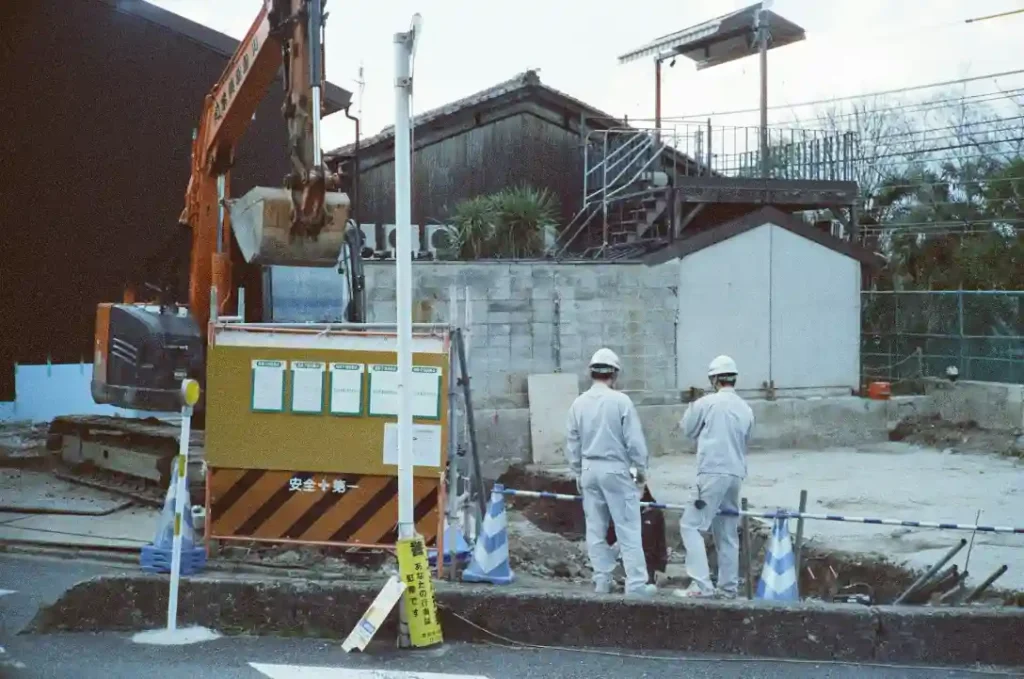
Requirements to Become an SSW Worker in Japan's Construction and Manufacturing Industry
1. General Eligibility Requirements
Applicants must meet the following basic requirements before applying for an SSW visa:
- Be at least 18 years old.
- Hold a valid passport.
- Be physically and mentally fit for work.
- Have no criminal record or immigration violations.
- Meet both Japanese language and industry skill requirements.
2. Japanese Language Requirements
Japanese language skills are essential for working safely and effectively in construction sites and manufacturing facilities. It is important to enroll in a Japanese language class as passing the required language proficiency tests is necessary.
Applicants must pass either of the following examinations:
- Japan Foundation Test for Basic Japanese (JFT-Basic)
- Japanese Language Proficiency Test (JLPT) N4 or higher
Note: Foreign nationals who have successfully completed Technical Intern Training (ii) may be exempt from language tests depending on the field and work content.
3. Industry-Specific Skills Test Requirements
After fulfilling the Japanese language requirement, applicants must pass an industry-specific skills proficiency test.
Construction Industry
The Construction Skills Evaluation Test measures practical knowledge related to:
- Workplace safety
- Construction tools
- Building materials
- Equipment handling
- Site operations
- Occupational safety standards
Manufacturing Industry
Applicants interested in manufacturing must pass the Manufacturing Industry Skills Evaluation Test, which assesses:
- Machine operation
- Industrial production
- Assembly processes
- Product quality inspection
- Factory safety
- Equipment maintenance
Passing the relevant examination demonstrates that candidates possess the technical knowledge necessary for employment in Japan.
4. Document Requirements
Applicants generally need the following documents:
- Valid passport
- Japanese language certificate (JLPT N4 or JFT-Basic)
- Industry-specific skills proficiency test certificate
- Visa application forms
- Recent passport-sized photographs
- Employment contract or job offer
- Educational certificates (if required)
- Medical documents (if requested)
Process to Become an SSW Worker in Japan's Construction and Manufacturing Industry
Step 1: Pass the Japanese Language Test
The initial step is to acquire basic Japanese language skills and pass language tests (JFT-Basic A2 or JLPT N4 or higher). Basic communication skills are necessary for understanding workplace instructions, following safety guidelines, and interacting with supervisors and coworkers.
Step 2: Pass the Skills Evaluation Test
Next, prepare for and pass the relevant skills test for specific sectors related to construction or manufacturing industry. This test validates your technical competence for the desired role.
Passing this examination is mandatory before applying for an SSW visa.
Step 3: Find a Japanese Employer
After successfully passing the language and skills tests, the next crucial step is to secure a job offer from a Japanese employer in the construction or manufacturing sector.
Finding a reputable employer is an important step because an employment contract is required before applying for the visa.
Step 4: Attend Interviews and Receive a Job Offer
Employers may conduct interviews to evaluate your Japanese language ability, communication skills, and overall suitability for the role. If selected, applicants will receive an official employment offer.
Step 5: Apply for the SSW Visa
Once a job offer has been secured, you can proceed with your SSW visa application. After approval, the applicant receives the SSW visa and can legally work in Japan.
Step 6: Start Working in Japan
Once the visa is approved, workers can travel to Japan and begin employment. Workers get to improve their technical expertise and gain international experience, along with other long-term benefits of SSW visa.
Construction and Manufacturing Industry Skills Exam Overview
Construction Skills Evaluation Test
The examination generally assesses:
Criteria | Details |
Question Type | Multiple-choice and practical questions |
Language | Japanese |
Duration | Approximately 60–90 minutes |
Topics | Safety, construction methods, tools, materials, site operations |
Manufacturing Skills Evaluation Test
The manufacturing exam evaluates:
Criteria | Details |
Question Type | Multiple-choice and practical questions |
Language | Japanese |
Duration | Approximately 60–90 minutes |
Topics | Machine operation, production, maintenance, quality control, safety |
Step-by-Step Skills Test Application Process
- Step 1: Register on the official testing website (e.g., Prometric ID for some tests).
- Step 2: Choose the Construction or Manufacturing Skills Evaluation Test.
- Step 3: Select your preferred examination center and date.
- Step 4: Pay the examination fee.
- Step 5: Receive your examination confirmation.
- Step 6: Attend the examination with the required identification documents.
Important Notes
- Use the same name shown in your passport.
- Arrive at the examination center early.
- Bring all required documents.
- Late arrivals may not be permitted.
- Follow all examination guidelines provided by the testing authority.
How to Prepare for the SSW Construction and Manufacturing Skills Exam
Preparing well can significantly improve your chances of passing the examination. Applicants should:
- Study the official syllabus.
- Learn basic construction or manufacturing terminology.
- Improve Japanese communication skills.
- Practice previous exam questions.
- Take mock tests regularly.
- Understand Japanese workplace safety rules.
- Enroll in an SSW preparation course.
Joining a professional Japanese language and SSW training institute can make preparation easier by providing structured language classes, technical guidance, mock examinations, and interview preparation.
Career Opportunities Under the SSW Construction and Manufacturing Category
Construction Industry
- Construction Worker
- Carpenter
- Steel Fixer
- Concrete Worker
- Scaffolding Worker
- Civil Engineering Worker
- Equipment Operator
- Electrician Assistant
- Painter
- Building Maintenance Worker
Manufacturing Industry
- Factory Worker
- Production Operator
- Machine Operator
- Assembly Line Worker
- Quality Control Inspector
- Welder
- CNC Machine Operator
- Metal Processing Technician
- Electronics Assembly Worker
- Industrial Equipment Operator

Salary for SSW Workers in Japan's Construction and Manufacturing Industry
The salary for SSW workers in Japan’s construction and manufacturing industries is generally higher than the basic salary in Japan, and varies based on factors such as location, employer, experience, and overtime.
- Construction Industry: Average monthly payments for SSW construction workers in 2021 were approximately ¥285,339 (about NPR 265,973). Other sources indicate a range of ¥220,000 to ¥285,000 per month (approximately NPR 205,073–265,657).
- Manufacturing Industry: Average monthly payments for SSW industrial product manufacturing workers in 2021 were around ¥240,641 (about NPR 224,306). Some reports suggest a range of ¥200,000 to ¥380,000+ per month (approximately NPR 186,430–354,216+).
Begin Your Journey as an SSW Worker in Japan's Construction and Manufacturing Industry
Becoming a Specified Skilled Worker (SSW) in Japan’s construction or manufacturing industry is an excellent opportunity for individuals seeking stable employment, competitive earnings, and valuable international experience. By meeting the language requirements, passing the necessary skills examinations, and securing employment with a Japanese company, you can take the first step toward working in one of Japan’s most important industries.
If you’re planning to pursue this career path, Meihoku Training can support you with Japanese language classes, SSW examination preparation, interview guidance, and assistance throughout your journey. With the right preparation and dedicated support, you can move closer to achieving your goal of working and building a successful career in Japan.
Frequently Asked Questions
1. What is an SSW Construction and Manufacturing Visa in Japan?
The Specified Skilled Worker (SSW) visa allows foreign workers to work in Japan’s construction and manufacturing industries to address labor shortages. It covers roles like construction work, machine operation, assembly, welding, and quality inspection.
2. What are the responsibilities of an SSW worker in Construction and Manufacturing jobs?
SSW workers handle tasks such as operating machinery, assisting in construction work, assembling products, inspecting quality, maintaining equipment, and following workplace safety standards in factories or construction sites.
3. What is the Construction and Manufacturing Skill Test for SSW in Japan?
It is an industry-specific exam that checks practical and technical knowledge required for the job. The construction test covers safety, tools, materials, and site work, while the manufacturing test includes machine operation, production processes, quality control, and workplace safety.
Start Your Journey Today
Admission for the 2025 intake is now open. Seats are limited. Contact us to schedule a free counseling session.
MEIHOKU TRAINING PVT. LTD.

Call Us
+977 9802325688, 01-4031688

Email Us
meihokunepal@gmail.com

Our Location
Sukedhara-04, Akhanda Marg, Kathmandu, Nepal