


SSW Visa Processing Time for Nepali Workers
The Specified Skilled Worker (SSW) visa is one of the most in-demand work visa pathways for Nepali citizens seeking employment in Japan. It allows foreign workers to legally work in labor-shortage industries such as caregiving, construction, agriculture, hospitality, and manufacturing.
Although the process is clearly structured, the total time required varies widely depending on preparation, documentation, employer efficiency, and immigration processing in Japan.
This guide explains the full timeline for SSW visa processing in detail, along with all important factors affecting processing time.
Complete SSW Visa Processing Timeline
The total time required to apply for the SSW visa varies depending on preparation and processing stages. Below is the complete breakdown from language preparation to final visa issuance.
Stage | Description | Estimated Time |
Language preparation | JFT-Basic or JLPT N4 preparation | 1–4 months |
Skills test preparation | Job-specific training and exam | 1–3 months |
Job search and interview | Employer selection process | 2–6 weeks |
Job offer and contract | Employment agreement signed | 1–4 weeks |
COE application in Japan | Immigration approval process | 1–3 months |
COE transfer to Nepal | Document sent to applicant | 1–2 weeks |
Embassy visa processing | Submission in Kathmandu | 5–10 working days |
Visa stamping and approval | Final visa issuance | 1–3 days |
Language Preparation Stage
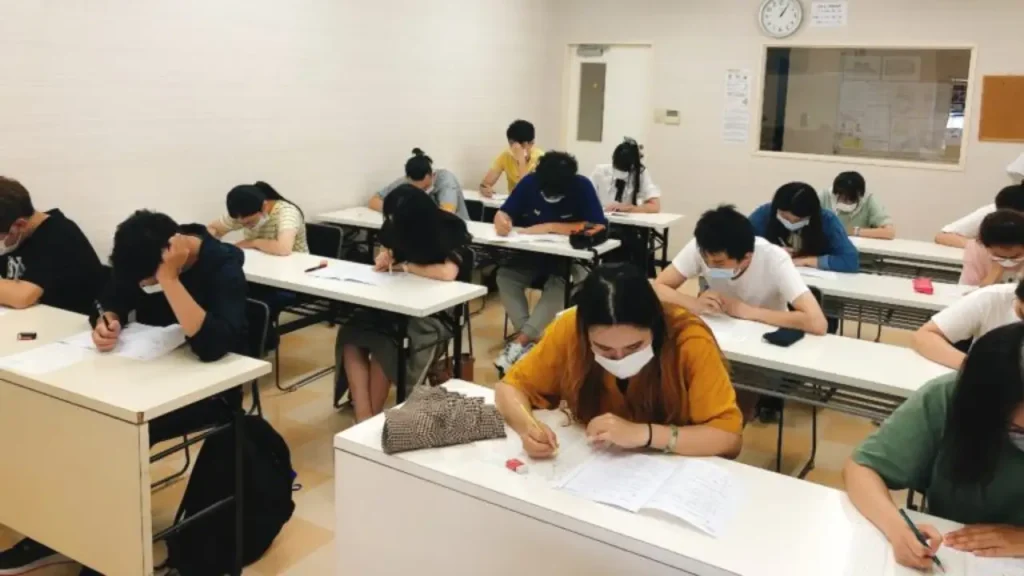
Japanese language ability is mandatory for SSW visa eligibility. Applicants must pass either:
- JFT-Basic (A2 level), or
- JLPT N4
The Japanese Language Preparation stage usually takes 1 to 4 months depending on study consistency and prior exposure to Japanese.
Without this certification, applicants cannot proceed to job interviews or employer selection. Many delays in the overall process occur because candidates start job searching before completing language preparation.
Skills Test Requirement
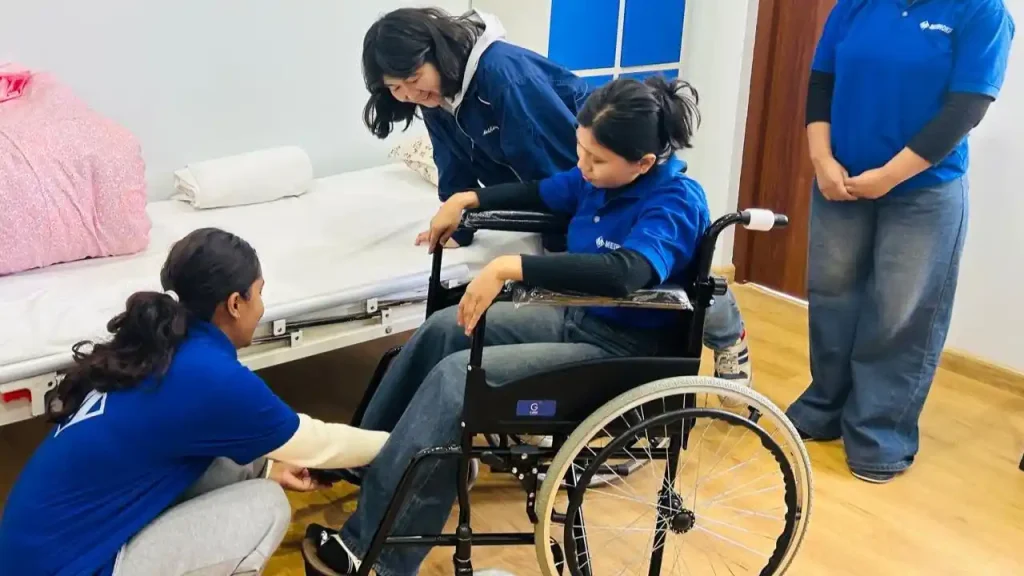
In addition to language proficiency, applicants must pass a skills test related to their job category. Each industry has its own test requirements.
Common sectors include:
- Caregiving
- Construction & Manufacturing
- Food service
- Agriculture
- Hospitality
The SSW preparation typically takes 1 to 3 months and may overlap with language study. Completing this stage early significantly improves job selection chances because employers prefer fully certified candidates.
Job Search and Interview Process
Once both certifications are completed, applicants move to the job search phase. This involves interviews with Japanese employers or recruitment agencies.
This stage usually takes 2 to 6 weeks, depending on:
- Candidate readiness
- Employer demand
- Interview performance
Well-prepared candidates often receive job offers faster because they meet all eligibility requirements upfront.
Job Offer and Contract Signing
After selection, the employer issues a job offer and employment contract. This stage is generally quick and takes 1 to 4 weeks.
During this phase:
- Job role is confirmed
- Salary and working conditions are finalized
- Employer prepares documents for COE application
Certificate of Eligibility (COE) Processing
The COE stage is the most important part of the visa process. The COE application is submitted by your employer to the Regional Office of the Immigration Bureau in Japan.
It usually takes 1 to 3 months depending on application complexity and workload. This stage is outside the applicant’s control, but proper documentation can reduce delays.
Embassy Visa Processing in Nepal
Once the Certificate of Eligibility (COE) is approved, applicants submit their visa application through VFS Global. Processing time is relatively fast, 5 to 10 working days in most cases.
During peak seasons, it may take slightly longer.
Factors That Affect SSW Visa Processing Time
The total processing time is not fixed and depends on several key factors. Below are the most important ones explained in detail.
1. Language and Skills Readiness
Applicants who complete language and skills certification early move through the process significantly faster. Those who start job applications without preparation often face long waiting periods or rejection. It is also important to prepare through a reliable and recognized language institute.
2. Employer Processing Speed in Japan
Since the employer submits the COE application, their efficiency directly impacts the timeline. Delays in document submission or internal processing can slow down the entire visa process.
3. Document Accuracy and Completeness
Even small errors in documents can cause major delays. Missing certificates, incorrect forms, or inconsistent personal information often lead to additional verification requests from immigration.
4. Recruitment Agency Quality
The experience and reliability of recruitment agencies play an important role. Well-established agencies coordinate efficiently between Nepal and Japan, while unverified agencies may cause delays or miscommunication.
5. Immigration Workload in Japan
COE processing speed depends heavily on immigration office workload. During peak seasons, applications take longer to process due to high volume.
6. Communication Speed Between Parties
Delayed responses between applicants, employers, and agencies can slow down the entire process. Quick communication helps avoid unnecessary waiting periods.
Common Reasons for Delay
Delays usually happen due to:
- Incomplete language or skills certification
- Missing or incorrect documents
- Slow employer response
- High immigration workload
- Repeated interview cycles
- Poor coordination between agency and employer
Most of these delays can be avoided with proper preparation before starting the job search process.
How to Speed Up the SSW Visa Process (Best Practices)
Although some parts of the process are beyond control, applicants can significantly reduce overall waiting time by preparing properly and avoiding common mistakes.
Complete Language and Skills Tests Early
The most effective way to reduce delays is to complete JFT-Basic or JLPT N4 and the required skills test before starting job applications. Fully certified candidates are prioritized by employers and move faster through recruitment.
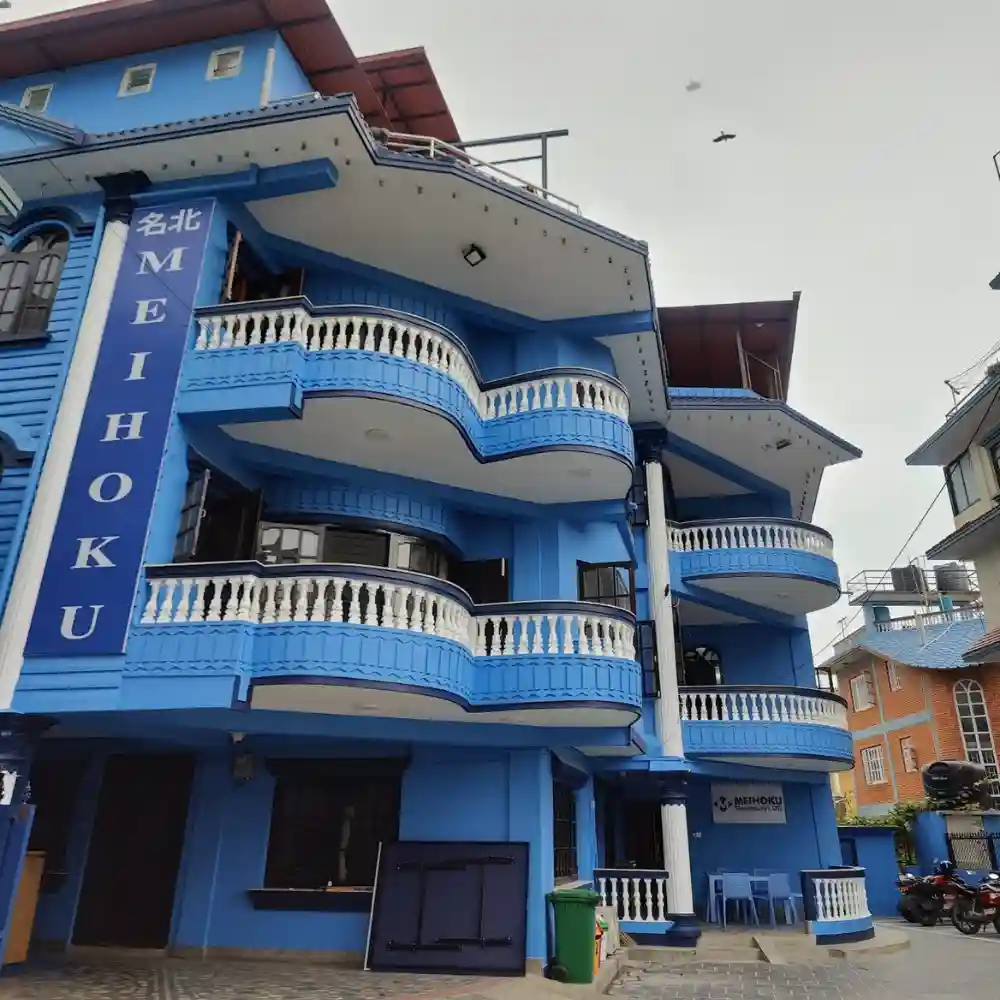
For Nepali applicants, Meihoku Training is a Kathmandu-based institute offering structured Japanese language courses and SSW training classes. We provide proper training, structured study materials, and mock tests, which significantly increase the chances of passing exams on the first attempt and avoiding repeated delays.
Prepare All Documents in Advance
Having all required documents ready before the COE stage helps avoid unnecessary delays and last-minute issues. Most delays happen when applicants are asked to resubmit missing or incorrect paperwork, so early preparation is very important for a smooth process.
According to the Support Website for the SSW System, the following documents are required for the SSW visa application
- Application form
- Medical examination report
- Tax-related documents, including Taxation Certificate, Certificate of Tax Payment, Withholding Tax Slip
- A copy of National Health Insurance Card, National Health Insurance Payment Certificate
- Japanese language certificate (JFT-Basic or JLPT N4)
- Skills test certificate relevant to the job category
Choose Reliable Recruitment Agencies
Working with verified and experienced agencies ensures better coordination with Japanese employers. This reduces communication gaps and improves processing speed throughout the application journey.
Respond Quickly During the Process
Delays often occur due to slow communication. Applicants should respond immediately to employer or agency requests, especially during interview scheduling and document verification stages.
Apply Only After Full Readiness
Starting job applications without completing basic requirements usually leads to rejection or waiting periods. Being fully prepared before applying significantly increases the chance of quick selection and smooth processing.
Conclusion
The SSW visa process for Nepali workers is structured but depends heavily on preparation. While the official visa processing after job selection takes around 2 to 6 months, the full journey including language and skills preparation can extend to 3 to 9 months.
Overall, the SSW visa remains one of the most reliable pathways for Nepali workers seeking legal employment opportunities in Japan, provided the process is followed with proper planning and readiness.
Frequently Asked Questions
1. Can I apply for the SSW visa without a job offer?
No. A job offer and signed employment contract from a Japanese employer are mandatory before the COE application can be submitted.
2. Who can apply for the SSW visa from Nepal?
Any Nepali citizen who meets the following conditions can apply for the SSW visa:
- Aged 18 or above
- Has passed the Japanese language test (JFT-Basic or JLPT N4)
- Has passed the relevant skills test for their chosen industry
- Has a valid job offer and employment contract from a Japanese employer
3. How long does the SSW visa process take in total?
If certifications are already completed, the remaining process from job offer to SSW visa issuance takes around 2 to 6 months. Otherwise the full process, including language and skills preparation, typically takes 3 to 9 months.
4. How long does the SSW visa take after COE approval?
Once the COE is approved, it takes around 2 to 4 weeks to receive the final visa. This includes 1 to 2 weeks for the COE to reach Nepal, followed by 5 to 10 working days for embassy or VFS Global processing, and 1 to 3 days for visa stamping.
5. How long is the SSW visa valid in Japan?
The SSW Category 1 visa allows a maximum stay of 5 years in total, with each period lasting 4 months, 6 months, or 1 year, renewable based on your employment contract. SSW Category 2 is only available in select industries, has no maximum stay limit and can lead to permanent residency.
Start Your Journey Today
Admission for the 2025 intake is now open. Seats are limited. Contact us to schedule a free counseling session.
MEIHOKU TRAINING PVT. LTD.

Call Us
+977 9802325688, 01-4031688

Email Us
meihokunepal@gmail.com

Our Location
Sukedhara-04, Akhanda Marg, Kathmandu, Nepal