


How to Become a SSW Worker in Japan’s Food Service Industry
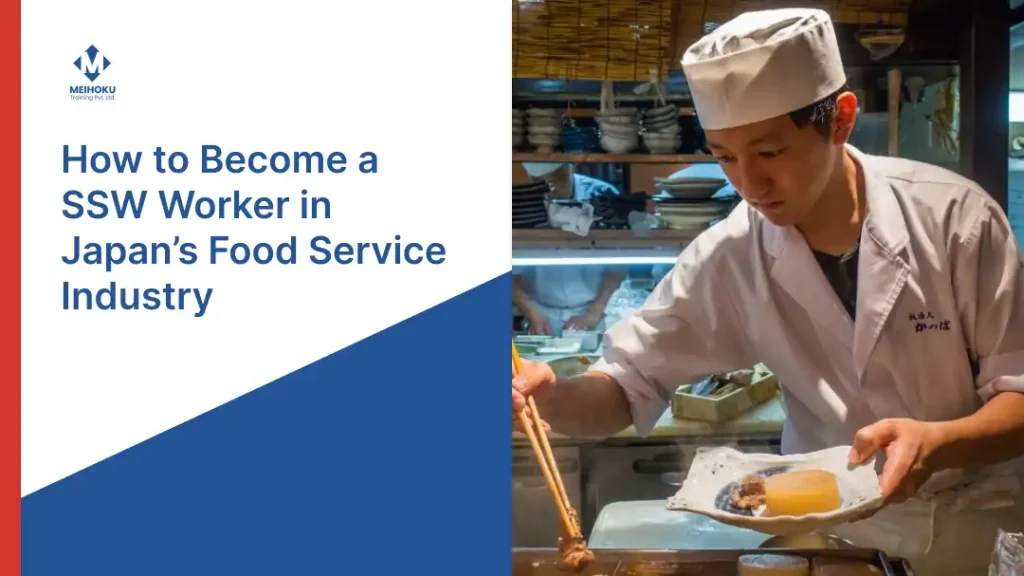
Japan’s food service sector continues to create opportunities for foreign workers through the Specified Skilled Worker (SSW) program. From cafes and restaurants to hotels and food chains, companies across the country are seeking skilled workers to support their daily operations.
However, many applicants are uncertain about the requirements, language tests, skill tests, and application procedures needed to become an SSW worker in Japan’s food service industry. Understanding these requirements and completing proper SSW training is an important first step before starting your journey.
In this guide, we will cover all the essential information about the SSW food service industry, including eligibility requirements, Japanese language tests, skill assessments, job opportunities, salary, benefits, and the step-by-step process of working in Japan under the SSW program.
What is an SSW Food Service Visa?
The SSW Food Service Visa is a work visa that allows foreign workers to work in Japan’s food service sector through the Specified Skilled Worker (SSW) program. It was introduced to tackle shortages of labor in industries that needed skilled employees.
With this visa, employees can work in restaurants, cafes, fast-food outlets, hotels, and various food service venues in Japan. Depending on the position, they may be involved in food preparation, customer support, food hygiene management, and various restaurant operations.
The SSW Food Service program offers foreign workers an opportunity to gain valuable work experience while building a career in Japan’s growing food service industry.
Requirements to Become an SSW Worker in the Food Service Industry in Japan
1. General Eligibility Requirements
- Age must be at least 18 years old.
- Hold a valid passport.
- Be physically and mentally fit to work in Japan.
- Comply with Japanese immigration laws and regulations.
- Be willing to work in Japan’s food service industry under the SSW program.
- Meet the Japanese language and skills requirements.
2. Japanese Language Requirements
To work as an SSW worker in Japan’s food service industry, applicants must demonstrate basic Japanese language proficiency. This helps workers communicate with customers, understand workplace instructions, and perform their duties effectively.
The applicants must pass any one of the following Japanese language tests to become eligible for the SSW visa and be able to work in Japan’s food service industry:
- Japan Foundation Test for Basic Japanese (JFT-Basic)
- Japanese Language Proficiency Test (JLPT) N4 or higher
3. Food Service Industry Skills Test Requirements
After meeting the Japanese language requirement, applicants must pass the Food Service Industry Skills Proficiency Test to become eligible for the SSW Food Service Visa. This test is designed to assess the applicant’s knowledge and skills required to work in Japan’s food service industry. Some of the key areas covered in the test include:
- Food hygiene and safety
- Food preparation
- Customer service
- Restaurant operations
Passing this test demonstrates that candidates have the basic industry knowledge required to work in food service sectors in Japan.

4. Document Requirements
Applicants must prepare the necessary documents when applying for an SSW Food Service Visa. While the exact requirements may vary depending on the application process, some of the commonly required documents include:
- A valid passport
- Japanese language test certificate (JLPT N4 or JFT-Basic)
- Food Service Industry Skills Proficiency Test certificate
- Visa application documents
- Recent passport-sized photographs
- Employment contract or job offer from a Japanese employer
Process to become an SSW Worker in the Food Service Industry in Japan
1. Pass the Required Japanese Language Test
The first step to become an SSW worker in Japan’s food service industry is to learn basic Japanese and pass the required language test. Japanese language skills are essential for communicating with customers, understanding workplace instructions, and performing daily tasks.
To meet the language requirement, applicants must pass any one of the following tests:
- Japan Foundation Test for Basic Japanese (JFT-Basic)
- Japanese Language Proficiency Test (JLPT) N4 or higher
If you are planning to take the JLPT test, then check out these tips to pass the JLPT N4.
2. Pass the Food Service Industry Skills Proficiency Test
After meeting the Japanese language requirement, the next step is to prepare for and pass the Food Service Industry Skills Proficiency Test. This test assesses the knowledge and skills required to work in Japan’s food service industry.
The exam covers areas such as:
- Food preparation
- Customer service
- Food hygiene and safety
- Restaurant operations
3. Find an Employer
After passing the required language and skills tests, the next step is to find a Japanese employer in the food service industry. Applicants can search for job opportunities through recruitment agencies, job portals, or authorized organizations that support foreign workers.
Once you find a suitable employer, you can apply for available positions and begin the recruitment process.
4. Attend Interviews and Receive a Job Offer
Once you have applied for suitable positions, you may be invited to attend interviews with potential employers. During the interview, employers may assess your Japanese language ability, communication skills, and suitability for the role.
If you successfully pass the interview process, you will receive a job offer from the employer. This job offer is required to proceed with the SSW visa application process.
5. Apply for the SSW Visa
After receiving a job offer, you can begin your SSW visa application process. Your employer will usually assist you with preparing and submitting the required documents to the relevant authorities. Understanding the expected SSW processing period can help you plan your move to Japan more effectively.
Once your application is approved, you will receive your SSW visa, allowing you to legally work in Japan under the Food Service Industry category. To improve your chances of approval, it is also important to understand some of the common reasons SSW visa applications are rejected.
6. Start Working in Japan
Once your SSW visa is approved, you can travel to Japan and begin working for your employer. As an SSW worker in the food service industry, you may work in restaurants, cafes, hotels, and other food service establishments.
During your employment, you will gain valuable work experience, improve your Japanese language skills, and build your career in Japan’s food service industry.
If you are exploring other career opportunities under the SSW program, you may also be interested in learning how to become a caregiver (Kaigo) in Japan.
SSW Food Service Industry Exam Overview
Exam Format and Structure
The Food Service Industry Skills Proficiency Test consists of an Academic Test and a Practical Test. The table below provides an overview of the exam format and structure.
Criteria | Academic Test | Practical Test |
Question Type | MCQs | Judgment and planning questions |
No. of Questions | 30 | 15 |
Language Available | Japanese | Japanese |
Test Time | 70 minutes | 70 minutes |
Purpose and Topics | The Academic Test measures a candidate’s theoretical knowledge of food service operations. It includes questions related to: i) Hygiene management and food safety (10 Qns) ii) Food and beverage preparation (10 Qns) iii) General Customer Service (10 Qns) | The Practical Test evaluates a candidate’s ability to apply knowledge in real workplace situations. It includes: i) Judgment-based questions using diagrams and workplace scenarios (5 Qns) ii) Planning-based questions that assess problem-solving and decision-making skills (5 Qns) iii) Topics related to hygiene management, food preparation, and customer service (5 Qns) |
Step-by-Step Food Service Industry Exam Application Process
- Step 1: Create a Prometric ID from the official website.
- Step 2: Log in with the ID and select the Food Service Industry Skills Proficiency Test.
- Step 3: Choose the preferred test date and location.
- Step 4: Pay the required examination fee.
- Step 5: Receive the test confirmation letter and attend the exam on the scheduled date.
Important Notes:
- Use the exact personal details shown on your official documents when creating your Prometric ID.
- Exam reservations cannot be cancelled once they have been confirmed.
- Reservations can be changed up to 3 days before the test date. If the test date falls on a weekend or a Japanese public holiday, changes must be made at least 4 days in advance.
- No refund will be provided if you are absent on the test day.
How to Prepare for the SSW Food Service Industry Exam?
Preparing for the Food Service Industry Skills Proficiency Test requires a good understanding of Japanese language, food hygiene, food preparation, customer service, and restaurant operations.
To improve the chances of success, applicants can:
- Study the topics covered in the exam syllabus.
- Practice sample questions and mock tests.
- Join a Japanese language class for improving Japanese skills designed for SSW candidates.
- Stay updated with the latest exam guidelines and requirements.
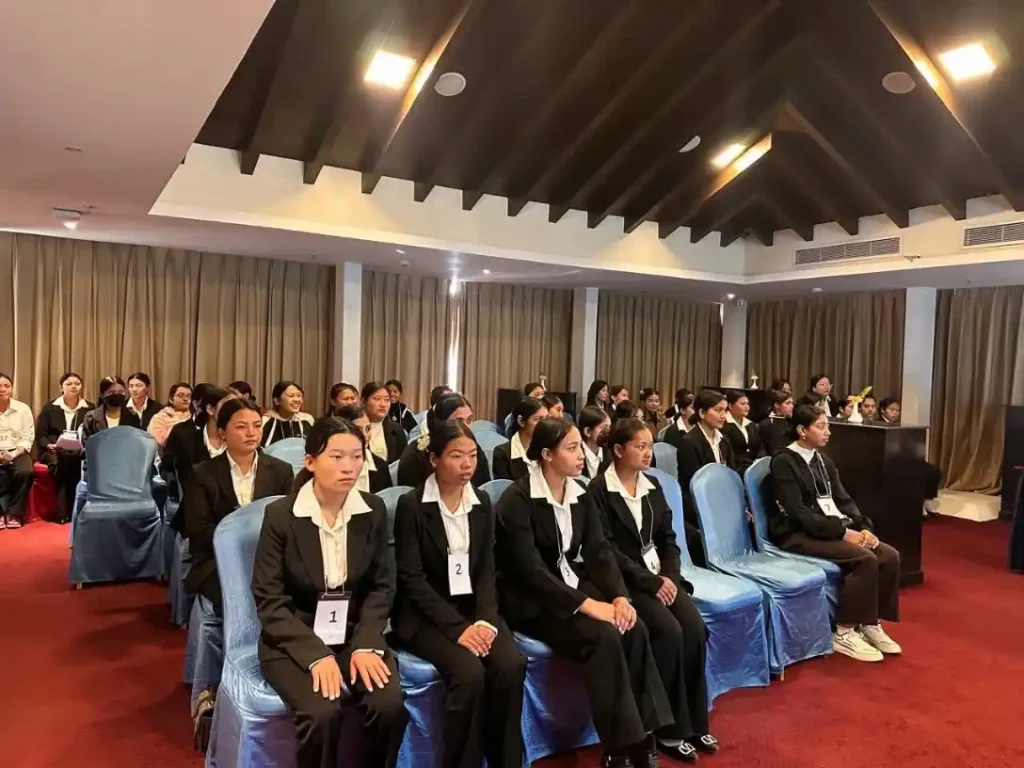
Joining a training institute can also make the preparation process easier. As one of the best Japanese language institutes in Kathmandu, Nepal, Meihoku Japanese Language and Training Center provides Japanese language training, workplace communication guidance, and SSW preparation classes to help them build the knowledge and confidence needed for the Food Service Industry Skills Proficiency Test and future employment in Japan.
Career Opportunities Under the SSW Food Service Industry Category
Some common job opportunities available under the SSW Food Service Industry program include:
- Cook / Assistant Cook
- Waiter / Waitress
- Kitchen Staff / Helper
- Food Preparation Staff
- Counter Staff
- Cashier
- Catering Staff
- Hotel Dining Staff
- Barista
- Customer Service Staff
- Food Packaging Staff
Salary and Benefits for SSW Workers in the Food Service Industry in Japan
The salary of SSW workers in Japan’s food service industry varies depending on factors such as location, employer, experience, and overtime opportunities. On average, workers can expect to earn between ¥180,000 and ¥250,000 per month (approximately NPR 171,000 to NPR 237,500 based on the current exchange rate of 1 JPY = NPR 0.95) . In some cases, additional income may be earned through overtime work, allowances, and performance-based bonuses offered by employers.
In addition to their salary, SSW workers may receive several benefits under the SSW program, including:
- Equal pay and working conditions as Japanese workers performing similar roles
- Health insurance coverage
- Pension contributions
- Employment insurance
- Paid annual leave
- Overtime allowances
- Transportation allowance (depending on the employer)
- Accommodation support (depending on the employer)
- Opportunities to improve Japanese language skills and gain international work experience
Begin Your Journey as an SSW Worker in the Food Service Industry in Japan
The SSW Food Service Industry pathway offers a great opportunity to build a career in Japan while gaining valuable international work experience. By meeting the language requirements, passing the necessary exams, and securing a job offer, you can take the first step toward working in Japan’s food service sector.
If you’re planning to pursue this pathway, Meihoku Training can help you prepare with SSW preparation, Japanese language training, exam preparation support, and guidance throughout your journey. With the right preparation and support, you can move closer to achieving your goal of working in Japan.
Frequently Asked Questions
1. What is an SSW Food Service Visa?
The SSW Food Service Visa allows foreign workers to work in Japan’s food service industry under the Specified Skilled Worker (SSW) program.
2. What are the requirements for an SSW Food Service Visa?
Applicants must pass either the JLPT N4 or JFT-Basic Japanese language test and the Food Service Industry Skills Proficiency Test. They must also meet the necessary visa and document requirements.
3. What are the responsibilities of an SSW worker in the Food Service Industry?
SSW workers may be involved in food preparation, customer service, cashier operations, food hygiene management, and other restaurant-related tasks.
4. What is the salary of an SSW worker in Japan's Food Service Industry?
The average monthly salary for SSW workers in the food service industry typically ranges from ¥180,000 to ¥250,000, depending on the employer, location, experience, and overtime opportunities
5. What is the Food Service Skill Test in Japan?
The Food Service Skill Test is an exam required for applicants who want to work in Japan’s food service industry under the SSW program. The test evaluates a candidate’s knowledge and skills in areas such as food hygiene, food preparation, customer service, and restaurant operations.
Start Your Journey Today
Admission for the 2025 intake is now open. Seats are limited. Contact us to schedule a free counseling session.
MEIHOKU TRAINING PVT. LTD.

Call Us
+977 9802325688, 01-4031688

Email Us
meihokunepal@gmail.com

Our Location
Sukedhara-04, Akhanda Marg, Kathmandu, Nepal