


How to Become a Caregiver / Care Worker (Kaigo) in Japan
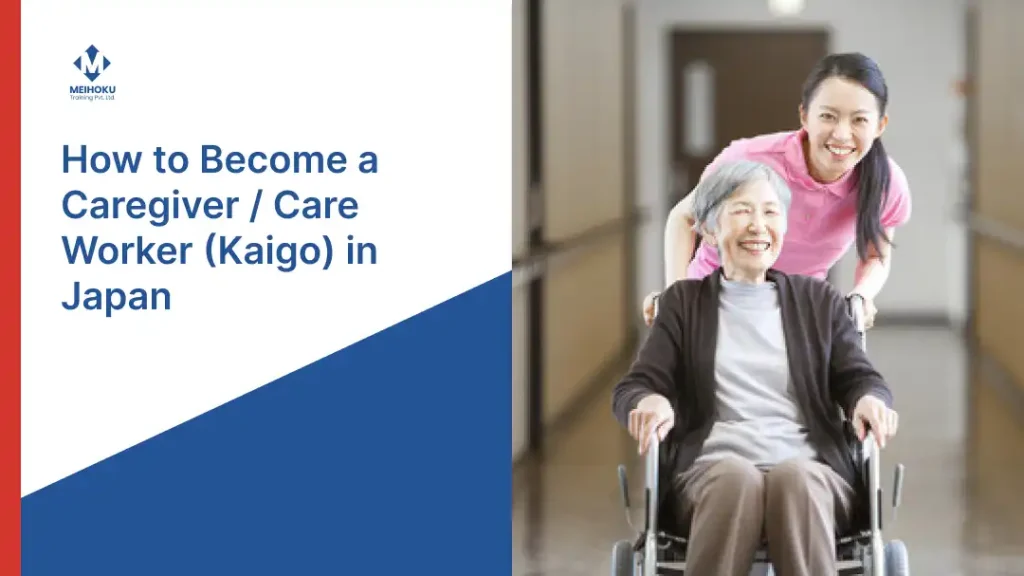
Japan is undergoing one of the most significant demographic shifts in the world, with a rapidly aging population and a shrinking workforce. As the need for elderly support continues to grow, the caregiving sector has become one of the most essential and stable career paths in the country. This demand has opened meaningful opportunities for foreign workers willing to build a career in Japan.
For individuals from Nepal, becoming a caregiver in Japan is more than just a job opportunity, it is a chance to gain international experience and develop professional skills. With structured programs like TITP and SSW, Japan has created clear pathways for motivated candidates to enter this field legally and systematically.
This guide will walk you through everything you need to know about becoming a caregiver in Japan, including job roles, visa pathways, requirements, benefits, and training opportunities, so you can take confident steps toward building your future in this growing profession.
Who is a Caregiver / Care Worker (Kaigo)?
A caregiver, known as 介護士 (kaigoshi) or simply 介護 (kaigo) in Japanese, is a dedicated professional who provides essential support to individuals who require assistance with daily activities. This often includes the elderly, disabled individuals, or those recovering from illness. Caregiver role is crucial in ensuring the well-being and comfort of those under their care. Caregivers typically work as a caregiver in nursing homes, assisted living facilities, or provide home-based care.
Key duties and responsibilities of a caregiver often include:
- Assisting with personal cleanliness, such as bathing, dressing, and grooming
- Helping with mobility, including assisting with walking and moving around
- Giving medication and monitoring health conditions
- Preparing meals and assisting with feeding
- Providing companionship and emotional support
- Doing light household tasks and cleaning

How to Become a Caregiver in Japan?
The Japanese government has established several pathways to address the shortage of care workers in Japan. The two primary routes for international workers are the Technical Intern Training Program (TITP) and the Specified Skilled Worker (SSW) visa program. Each program has distinct requirements and benefits for candidates seeking a working visa in Japan.
Technical Intern Training Program (TITP)
The Technical Intern Training Program (TITP) is a government-led program that enables foreign workers to come to Japan to learn practical skills while working. For aspiring caregivers, the TITP program offers a structured training period of up to five years. Participants gain practical experience and develop specialized skills in nursing care while working in Japanese facilities. This is a popular route for those who have completed caregiver training and want to gain international experience.
Key aspects of the TITP for caregivers:
- Requirements: Generally, applicants must be 18 years or older and possess a minimum Japanese language proficiency equivalent to JLPT N4. They must also be citizens of countries that have agreements with Japan for this program, which includes Nepal.
- Training Structure: The program is divided into three phases, with increasing skill requirements. Interns are expected to pass evaluations and language proficiency tests to advance through the stages.
- Duration: The maximum stay under TITP is five years. Upon successful completion, some interns may be eligible to transition to the SSW visa program.
- Focus: The primary goal is skill acquisition and training, with support provided by the host company.
Specified Skilled Worker (SSW) Visa
The Specified Skilled Worker (特定技能, Tokutei Ginō) visa, introduced in 2019, is Japanese work visa designed for foreign workers to address labor shortages in specific industries, including aged care. The SSW visa program is designed for individuals with a certain level of expertise and skills, allowing them to work in Japan for up to five years, with pathways for extended stay and potential long-term residency. Also, the ssw caregiver salary in japan is generally competitive compared to entry-level jobs in many other sectors.
Key aspects of the SSW visa for caregivers:
- Requirements: Applicants must be 18 years or older. They need to pass a Japanese language proficiency test (typically JLPT N4 or JFT-Basic A2) and a Nursing Care Skills Evaluation Test
- Duration: The SSW (Type 1) visa allows for a maximum stay of five years. There is also an SSW (Type 2) visa for highly skilled workers, which offers the possibility of indefinite renewals and bringing family members.
- Focus: This program emphasizes the direct application of skills and experience in the workplace.
Note: Individuals who have completed TITP (Technical Intern Training (ii)) in the nursing care field are often exempted from the qualifying test or exams.
Why Pursue a Career in Elder Care in Japan?
Japan’s aging population has created an huge demand for care workers, making elder care a stable and rewarding career choice. Here are compelling reasons to consider this path:
- High Demand and Job Security: The number of elderly people in Japan continues to increase, while the number of local care workers is not enough to meet the demand. Because of this shortage, qualified care workers are needed in many care facilities, leading to strong job security and steady employment opportunities.
- Competitive Salary: Care workers in Japan generally earn around ¥220,000 to ¥250,000 per month. The basic salary in Japan depends on experience, qualifications, and location. Many employers also offer additional benefits such as bonuses, transportation allowances, and yearly salary increases based on performance and experience.
- Career Growth and Specialization: Elder care is not only an entry-level job. With experience and additional training, caregivers can gain specialized skills in areas such as dementia care, rehabilitation support, or end-of-life care. Over time, there are also opportunities to move into senior caregiver, team leader, or facility management positions.
- Cultural Exchange and Personal Growth: Working in Japan provides valuable experience in a structured and respectful work environment. Caregivers also interact daily with elderly residents, which helps improve Japanese language skills and provides a deeper understanding of Japanese culture, traditions, and daily life.
- Contribution to Society: Elder care is considered an important and respected profession in Japan. Care workers play a key role in supporting elderly people’s daily lives and well-being. Many people find this work personally fulfilling because it directly contributes to society and improves the quality of life for others.
Opportunities for Nepali Workers in Japan
Nepal and Japan share a strong relationship, with increasing opportunities for Nepali foreign workers in various sectors, including the caregiving sector. As Japan is facing a shortage of workers and actively welcomes skilled and dedicated people from countries like Nepal. Nepali care workers are highly valued for their kindness, discipline, and strong work ethic, which fit well with Japan’s caregiving culture.
The Memorandum of Cooperation (MoC) signed between Nepal and Japan in March 2019 made it easier and safer for Nepali workers to go to Japan under the Specified Skilled Worker (SSW1) visa program. It provides a legal pathway for employment and helps protect workers’ rights.
Through this opportunity, Nepali workers can earn a stable income, support their families, and gain valuable international work experience. Many Nepali caregivers are already working successfully in Japan and contributing to the healthcare system.
Why Specialized Training Classes are Important
Becoming a successful care worker in Japan requires specific skills, professional knowledge, and a strong understanding of Japanese culture. For those seeking caregiver training in Nepal, Meihoku Training provides a structured and supportive learning environment to build a successful career in Japan.
Meihoku Training stands out as a leading Japanese language institute in Nepal, offering high-quality caregiver training for Japan. Their programs are carefully designed to equip students with the skills and knowledge needed for both the TITP and SSW pathways.
- Japanese Language Proficiency: Specialized training programs focus on achieving the required level of proficiency (typically JLPT N4 or above) while also teaching industry-specific vocabulary and communication methods used in nursing care settings.
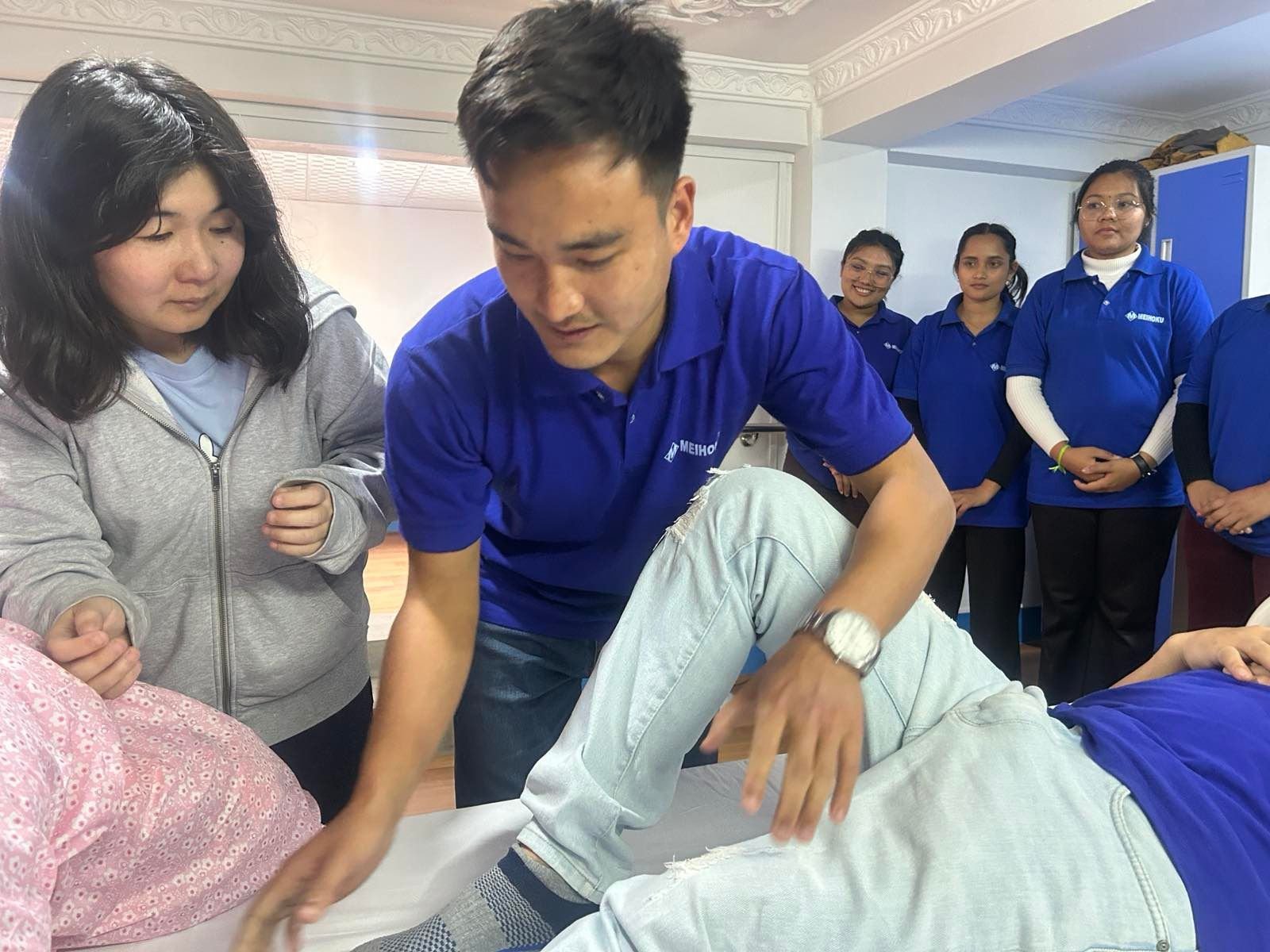
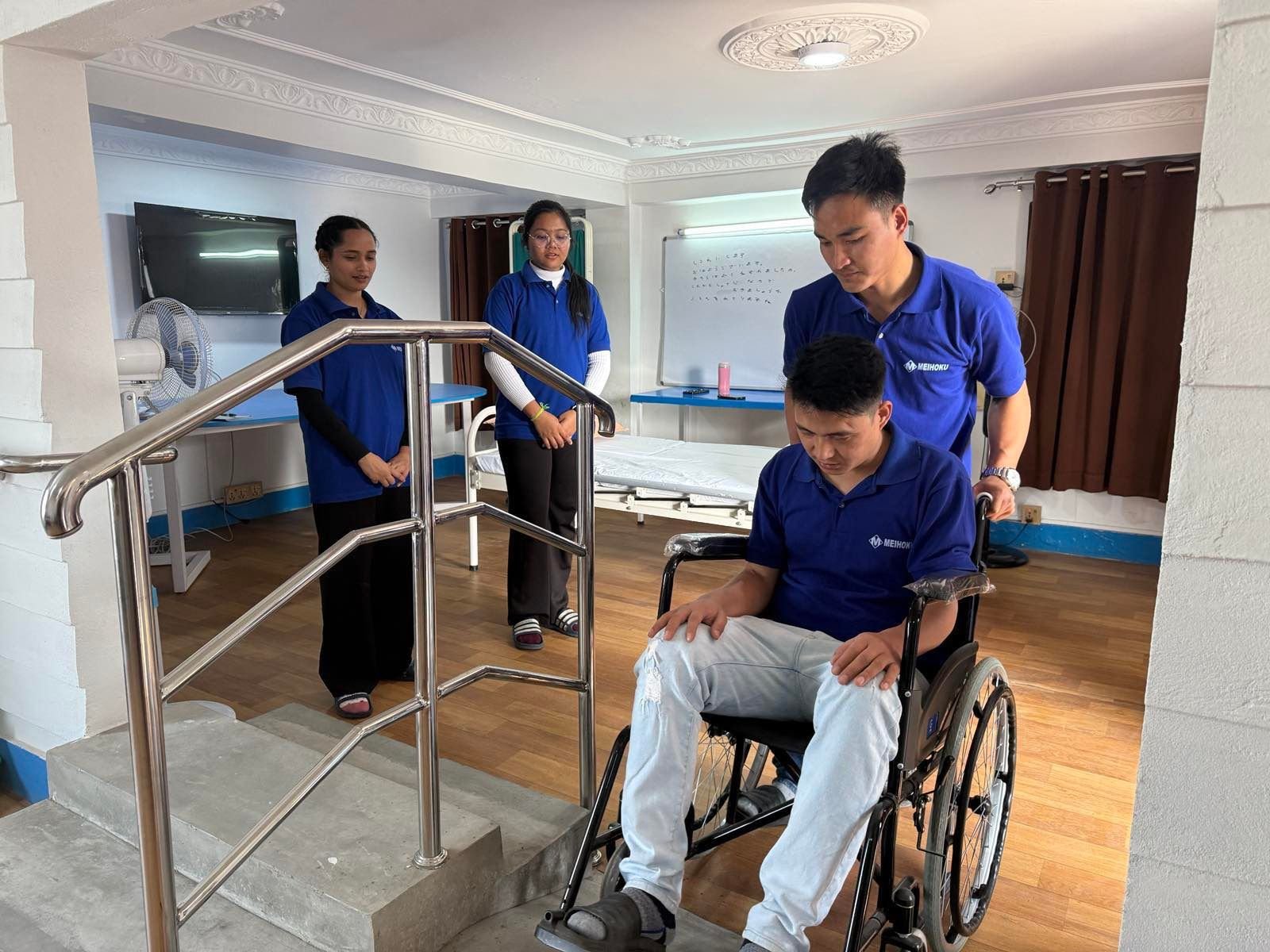
- Comprehensive Caregiving Skills: The programs provide hands-on training in advanced caregiving techniques, mobility assistance, infection control, emergency response, and understanding the unique needs and behaviors of the elderly.
- Cultural Understanding and Etiquette: Japanese workplaces have distinct cultural norms and etiquette. Specialized training educates students on these aspects, ensuring a smooth transition into the Japanese work environment.
- Examination Preparation: Reputable training centers like Meihoku Training offer dedicated support for Japanese language proficiency tests, Nursing Care Skills Evaluation Tests, as well as specialized SSW preparation and TITP preparation programs to help candidates succeed in their careers in Japan.
- Job Placement Support: Many specialized training programs offer placement assistance, connecting graduates with reputable care facilities in Japan. This support can significantly ease the job search process and ensure a secure transition into employment.
Ready to Become a Caregiver in Japan?
Becoming a caregiver in Japan is a rewarding opportunity for those seeking a stable career with purpose. With growing demand due to Japan’s aging population, qualified care workers are highly valued. By preparing through Japanese language classes and caregiving training, you can take the first step toward this highly-valuable profession.
Whether through TITP or SSW pathways, Japan offers legal and structured opportunities for foreign workers, especially from Nepal. With proper training, dedication, and the right guidance, you can build a successful and meaningful career in Japan’s caregiving sector.
Frequently Asked Questions
1. What are the requirements for a caregiver in Japan?
To work as a caregiver in Japan, you generally need:
- Basic Japanese language skills (usually JLPT N4 or higher)
- Completion of caregiver training or relevant certification
- Passing the caregiving skills and language tests (for SSW visa)
- Physical and mental ability to perform caregiving tasks
- A valid work visa (such as TITP or SSW)
2. What is the salary of a caregiver in Japan?
The average salary for caregivers in Japan is around:
- ¥220,000 to ¥250,000 per month for entry-level workers
Salary can increase with experience, skills, and workplace location. Some employers also provide overtime pay, bonuses, and other benefits.
3. Are caregivers in demand in Japan?
Yes. Caregivers are in high demand in Japan due to its rapidly aging population. There is a shortage of workers in the elderly care sector, so Japan actively recruits foreign caregivers, including from Nepal.
4. Which job is highly demanded in Japan?
Some of the most in-demand jobs in Japan include:
- Caregivers (elderly care workers)
- IT and software professionals
- Construction workers
- Factory and manufacturing workers
- Hospitality and service industry staff
Start Your Journey Today
Admission for the 2025 intake is now open. Seats are limited. Contact us to schedule a free counseling session.
MEIHOKU TRAINING PVT. LTD.

Call Us
+977 9802325688, 01-4031688

Email Us
meihokunepal@gmail.com

Our Location
Sukedhara-04, Akhanda Marg, Kathmandu, Nepal