


SSW Type 1 vs SSW Type 2: Japan’s Skilled Worker Visa Comparison
Japan continues to face labor shortages in many industries, creating opportunities for foreign workers who want to build a career abroad. To address this issue, Japan introduced the Specified Skilled Worker (SSW) visa program in 2019. The program allows qualified foreign nationals to work in Japan legally in industries experiencing a shortage of workers.
There are two categories under this system: SSW Type 1 and SSW Type 2. While both visas allow skilled workers to work in Japan, they differ in terms of stay duration, family sponsorship, skill requirements, and long-term settlement opportunities.
If you are planning to apply for an SSW visa Japan program from Nepal or any other country, understanding the differences between these two visa categories is essential.
What is SSW Type 1?
SSW Type 1 is the entry-level category of the SSW visa. It is designed for foreign nationals who possess basic skills and knowledge in designated industry fields facing labor shortages in Japan. The purpose of SSW Type 1 is to allow foreign workers to contribute to Japan’s workforce while gaining valuable international work experience.
Applicants generally need to pass a skills examination and demonstrate a basic level of Japanese language ability. Individuals who have completed technical intern training in the same field may be exempt from some testing requirements.
Key Features of SSW Type 1
- Skill Level: Requires a considerable level of knowledge or experience in a specified industry field. This is typically confirmed by passing a field-specific skills exam and a Japanese language test. However, individuals who have completed technical intern training (Technical Intern Training (ii)) in the same field are exempt from these exams .
- Japanese Language Requirement: Applicants must demonstrate Japanese language ability passing a Japanese language test (JLPT N4 or JFT-Basic A2), to ensure smooth communication in the workplace and daily life.
- Period of Stay: The maximum period of stay for SSW Type 1 is up to five years in total. The visa can be renewed in increments of 1 year, 6 months, or 4 months, but it cannot be extended beyond the five-year limit. After reaching this limit, individuals must either return to their home country or qualify for a different visa category to remain in Japan.
- Family Accompaniment: Generally, SSW Type 1 visa holders are not permitted to bring their family members (spouse or children) to Japan.
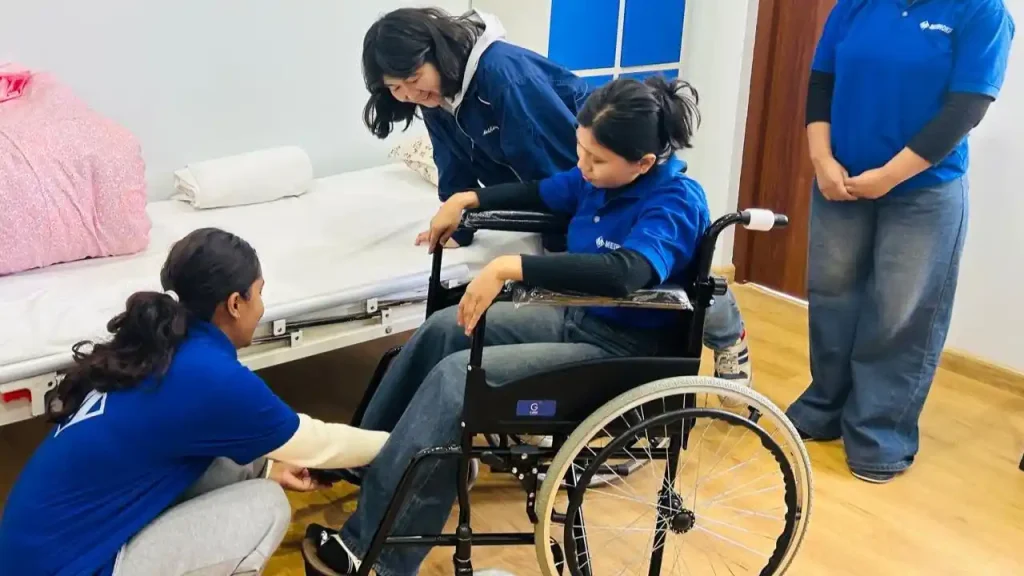
- Support System: A significant feature of SSW Type 1 is the mandatory support provided by the accepting organizations (hiring companies) or registered support organizations. These organizations help with housing, daily life guidance, workplace adaptation, and administrative procedures. The employer is legally required to cover the expenses for these support services.
What is SSW Type 2?
SSW Type 2 is the advanced category of Japan’s Specified Skilled Worker visa program. It is designed for foreign workers who have acquired higher-level technical skills and substantial practical experience in their designated industry.
In many cases, workers transition to this category after gaining experience under SSW Type 1 and meeting the required skill standards. Compared to Type 1, this visa offers greater stability and long-term opportunities.
Key Features of SSW Type 2
- Advanced Skills Required: Applicants must demonstrate more advanced technical skills and practical experience compared to Type 1 holders. This is typically confirmed by passing a more advanced Grade 2 skills exam and demonstrating practical work experience, often at a supervisory level.
- Period of Stay: Unlike SSW Type 1, there is no limit on the period of stay for SSW Type 2. The visa can be renewed indefinitely (every 3 years, 1 year, or 6 months), providing long-term stability and a potential path to permanent residence in Japan.
- Potential Pathway to Permanent Residence: As there is no limit on the period of stay, SSW Type 2 may provide a pathway toward long-term residence and eventual permanent residency if other immigration requirements are met.
- Family Accompaniment: A key advantage of SSW Type 2 is the ability to bring family members. Workers holding SSW Type 2 can generally bring their spouse and dependent children to Japan.
- Reduced Support Requirements: Unlike SSW Type 1 workers, Type 2 holders are generally expected to operate more independently, so there is no mandatory support from accepting organizations or registered support organizations.
SSW Type 1 vs Type 2: Comparison Overview
Understanding the differences between SSW Type 1 and Type 2 is crucial for anyone considering a career in Japan. Here’s a detailed comparison of various aspects:
Skill Level and Experience
SSW Type 1 is designed for workers with basic practical skills and experience, making it an entry-level visa for skilled worker roles. Applicants must pass a skills test and a Japanese language test (JLPT N4 or JFT-Basic A2) unless they have completed technical intern training .
SSW Type 2 is intended for highly skilled workers that demand proficient, often supervisory-level, skills and experience. Applicants usually need to pass a more advanced skills examination and demonstrate greater professional experience compared to SSW Type 1.
Period of Stay
SSW Type 1 is a temporary visa, allowing a maximum stay of five years. Renewals are possible, but the total duration cannot exceed this limit, after which individuals must leave Japan or transition to another visa category .
SSW Type 2 offers long-term stability with no upper limit on the period of stay, allowing for indefinite renewals every 3 years, 1 year, or 6 months . This crucial difference makes SSW Type 2 a viable option for those seeking to build a permanent life in Japan.
Family Accompaniment
SSW Type 1 visa holders are generally not permitted to bring their family members to Japan .
However, SSW Type 2 visa holders can sponsor their legal spouse and children, allowing family members to live together in Japan. This makes SSW Type 2 particularly attractive for individuals planning long-term settlement.
Support System
SSW Type 1 includes a mandatory support system where accepting organizations or registered support organizations provide comprehensive assistance to foreign national workers. This support includes help with housing, opening bank accounts, airport pickup, and adjusting to daily life in Japan.
For SSW Type 2, such support is not mandatory, as visa holders are expected to be self-sufficient due to their higher skill level and experience.
Pathway to Permanent Residency
SSW Type 1 does not directly lead to permanent residency because the visa is limited to five years, and this period generally does not count toward the residency requirement for permanent residence.
SSW Type 2 provides a clear path to permanent residency. Since there is no limit on the length of stay, workers can meet the long-term residency requirements and apply for permanent residence in the future.
Japanese Language Proficiency
For SSW Type 1, applicants must demonstrate basic Japanese language ability, usually at the JLPT N4 or JFT-Basic A2 level. Those who have completed Technical Intern Training are exempt from this requirement.
For SSW Type 2, there is generally no separate Japanese language test requirement, as the advanced skills exams are conducted entirely in Japanese, implying a higher level of proficiency . However, some specific fields like Fishery and Food Service may require JLPT N3 . In practice, supervisory roles often demand a much higher level of Japanese than N4.
Comparison Table
Feature | SSW Type 1 | SSW Type 2 |
Skill Level | Basic skilled worker; requires passing tests | Advanced skilled worker with higher expertise |
Period of Stay | Up to 5 years total | Unlimited renewals (typically 1–3 years per renewal) |
Family Accompaniment | Not allowed | Allowed (spouse and children) |
Support Requirement | Mandatory support from employer/support organization | No mandatory support |
Permanent Residency | Usually requires status change first | Possible through long-term residence |
Japanese Language Requirement | JLPT N4 or JFT-Basic A2 or equivalent | No formal requirement, but higher proficiency expected |
Eligible Industries | All 16 designated industries | Only selected industries |
Eligible Industries for SSW Type 1 and Type 2
The Japanese government designates specific industry fields that can hire workers through the SSW visa program.
SSW Type 1 Industries
SSW Type 1 covers a wider range of industries, including:
- Nursing care
- Building cleaning
- Manufacturing
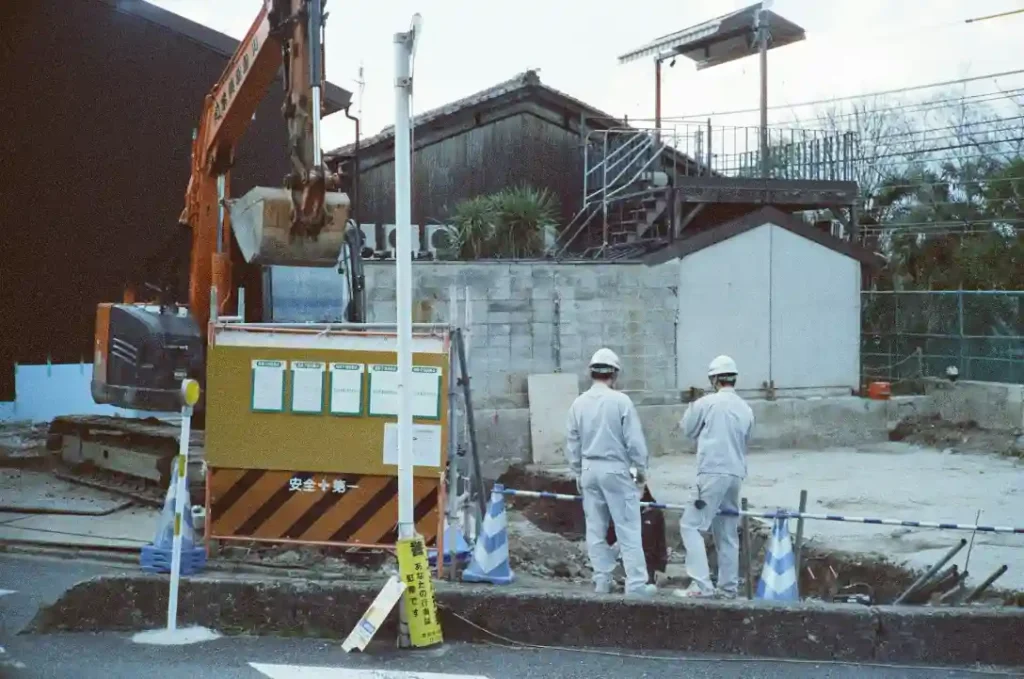
- Construction
- Shipbuilding and marine industry
- Automobile maintenance
- Aviation
- Accommodation services
- Agriculture
- Fisheries
- Food and beverage manufacturing
- Food service
- Forestry
- Railway industry
- Automobile transportation
- Timber and wood industry
SSW Type 2 Industries
SSW Type 2 is available in selected sectors where advanced skills can be demonstrated. Eligible industries include:
- Building cleaning
- Manufacturing
- Construction
- Shipbuilding and marine industry
- Automobile maintenance
- Aviation
- Accommodation services
- Agriculture
- Fisheries
- Food and beverage manufacturing
- Food service
Conclusion
Understanding the difference between SSW Type 1 and SSW Type 2 is important for anyone planning to work in Japan under the Specified Skilled Worker program.
SSW Type 1 serves as the starting point for many foreign nationals who want to gain employment in Japan’s labor shortage sectors. SSW Type 2, on the other hand, provides a more stable and long-term future.
For applicants from Nepal and other countries, choosing the right SSW visa type depends on your qualifications, career goals, and long-term plans. By understanding both visa categories, you can better prepare for a successful journey to work in Japan and build your future abroad.
Frequently Asked Questions
1. How to change SSW1 to SSW2?
To transition from SSW Type 1 to SSW Type 2, you must meet the skill and experience requirements of the Type 2 category. Generally, this involves:
- Gaining sufficient practical work experience in your designated industry while working under SSW Type 1.
- Passing the advanced skills examination required for SSW Type 2 in your industry.
- Meeting all the additional industry-specific requirements.
- Applying for a change of residence status through Japan’s immigration authorities once you qualify.
2. Can SSW 2 bring family to Japan?
Yes. One of the major advantages of SSW Type 2 is that visa holders can bring their immediate family members (spouse and dependent children) to Japan.
3. What are the benefits of SSW Visa for Skilled Nepali Workers?
The SSW visa offers several advantages for skilled workers from Nepal:
- Legal work opportunities in Japan.
- Higher income and better career prospects.
- International work experience and skill development.
- Japanese language and cultural exposure.
- Pathway to long-term employment through SSW Type 2.
4. Can I change jobs or industries while on an SSW visa?
Yes, you can change employers as long as the new job is within the same SSW industry and the new employer is approved to hire SSW workers. Changing to a different industry may require additional qualifications or a change of status.
Start Your Journey Today
Admission for the 2025 intake is now open. Seats are limited. Contact us to schedule a free counseling session.
MEIHOKU TRAINING PVT. LTD.

Call Us
+977 9802325688, 01-4031688

Email Us
meihokunepal@gmail.com

Our Location
Sukedhara-04, Akhanda Marg, Kathmandu, Nepal