


How to Apply for SSW Visa in Japan From Nepal?
Are you dreaming of a professional career in Japan? Well then, you’re not alone. Japan has emerged as a top destination for Nepalese workers seeking stable jobs and higher income within a safe, disciplined society. One of the best ways to work there legally is through the Specified Skilled Worker (SSW) visa. Unlike other programs, the SSW visa is designed for individuals who already have specific skills and are ready to start working immediately.
If you are planning to apply, this guide provides a complete roadmap for the 2026 SSW visa process in Nepal. It guides you from your first language exam in Kathmandu all the way to a professional career in cities like Tokyo or Osaka.
Step by Step SSW Visa Application Process
The Specified Skilled Worker (SSW) visa is a professional visa category that is designed to welcome skilled workers from different countries. It serves as a direct pathway to secure, high-paying jobs in Japan’s most in-demand industries.
The process for Nepali applicants typically takes 6 to 12 months. However, following these clear and streamlined steps makes the journey much easier to manage:
Step 1: Training and Preparation
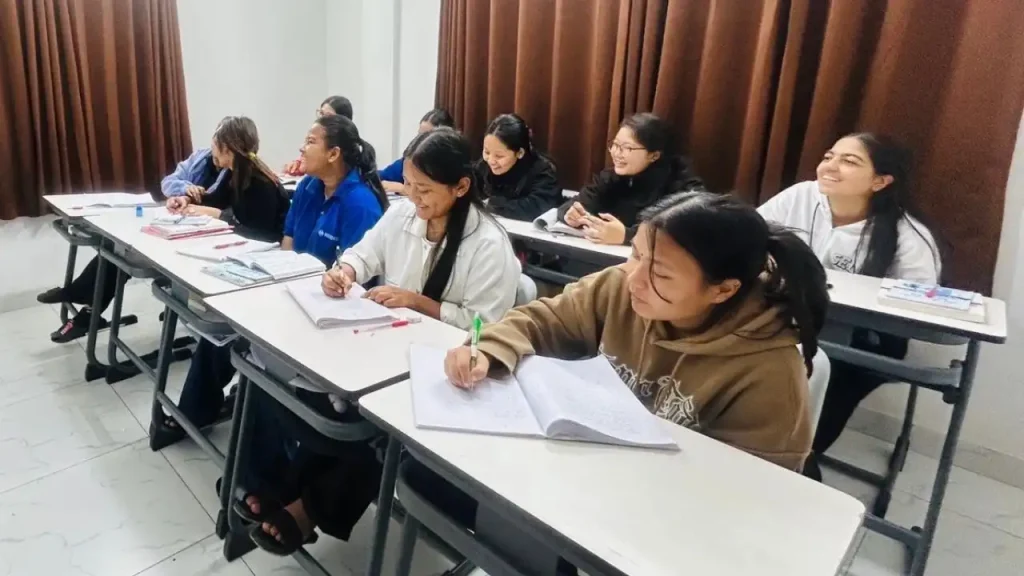
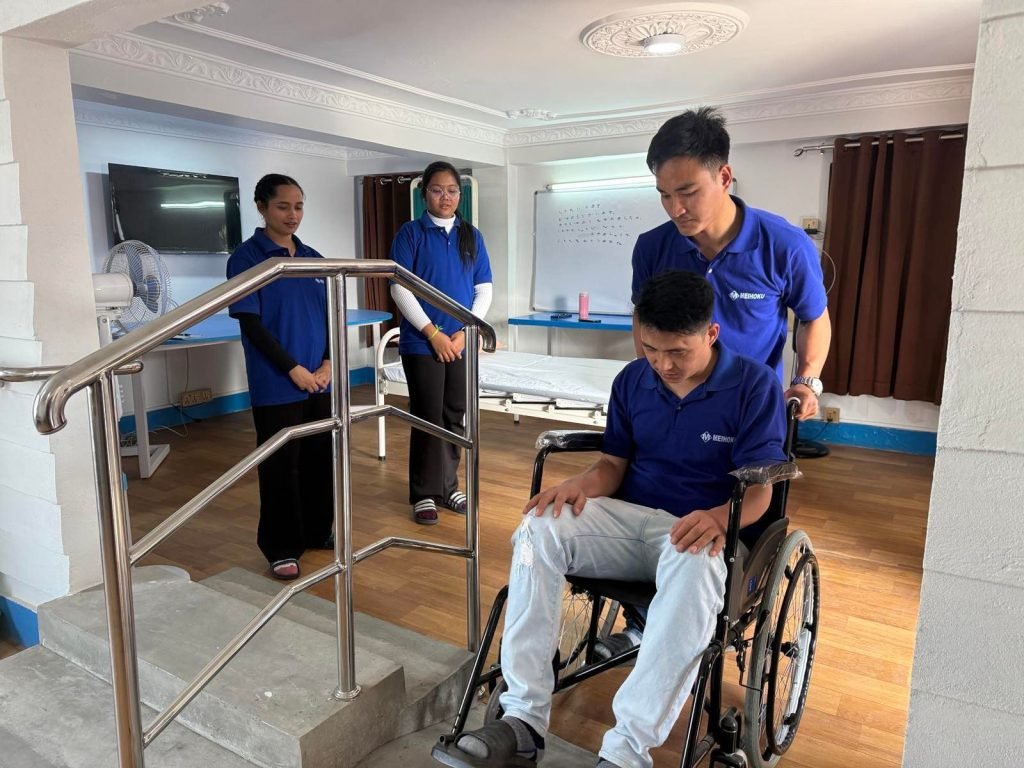
Your first goal is to build a solid foundation in the Japanese language. You will need to study until you reach the N4 level. While learning the language, you should also train for your specific industry, such as caregiving or agriculture. This stage is entirely focused on SSW preparation, gaining the knowledge you need to succeed.
Step 2: Pass the Mandatory Exams
Once you are prepared, you must prove your skills by passing two computer-based tests (CBT). You will need to clear the language exam, choosing between the JFT-Basic or JLPT (N4). Additionally, you must pass the Skill Evaluation Test for your specific sector, as these certificates will serve as your “entry ticket” to the next stage of the process.
Step 3: Job Matching and Interviews
Once you have your certificates, you can begin your job search. You should connect with a licensed manpower agency in Nepal that is registered with the Department of Foreign Employment (DoFE). These agencies act as a bridge to Japanese employers.
You will typically attend interviews over the Internet (often via Zoom). If you are selected, you will sign a formal employment contract directly with the Japanese company.
Step 4: Securing the Certificate of Eligibility (COE)
After your contract is signed, your employer in Japan begins the official process. They will apply for your Certificate of Eligibility (COE) at the Japanese Immigration Bureau on your behalf.
This is the most critical document in the journey as it proves you have met all legal requirements to work as a Specified Skilled Worker. Generally, this stage takes between 1 to 3 months to complete.
Step 5: Embassy Application and Pre-Departure
Once your COE arrives in Nepal, you can submit your final visa application through VFS Global for the Japanese Embassy. While waiting for your visa to be stamped, you must complete the final administrative steps required by the Government of Nepal.
This includes attending a mandatory Pre-Departure Orientation (PDO) to learn about your rights and labor laws in Japan. Finally, once you obtain your electronic labor permit from the DoFE, you are officially ready to fly and begin your career.
SSW Visa Japan Requirements (2026)
Unlike general work visas that often require a university degree, the SSW visa is based entirely on your practical skills and language ability. If you are applying from Nepal in 2026, here is the exact checklist you need to follow:
1. Mandatory SSW Exams
Your journey to Japan begins with a formal assessment of your skills. In Nepal, you will need to complete Computer-Based Tests (CBT) that align with your specific visa level and industry:
A. For SSW-1 ( Entry Level)
This is the most common path for new applicants. To be eligible, you need to validate two core things:
- Language Skills: You need to pass either the JFT-Basic or the JLPT N4 to prove you can handle daily life and basic workplace communication in Japan.
- Practical Skills: You are required to pass a practical exam tailored to your chosen field, such as agriculture or nursing care. This certificate confirms you are ready to contribute to a Japanese workplace from day one.
- Exemption: If you have already completed 3 years of TITP (Technical Intern Training Program) in the same field, you can skip both of these exams.
B. For SSW-2 (Advanced Level)
This level is for experienced workers who want to stay in Japan long-term. The requirements are a bit different:
- Management Skills: Instead of basic tests, you must pass an advanced exam that proves you can lead a team and handle supervisor tasks.
- Language Expectations: Unlike SSW-1, you usually don’t need a new language test. It is expected that you already speak fluent Japanese from your years of experience living there.
2. Personal and Health Standards
To work in Japan, you must meet specific personal and health requirements. These standards ensure you are prepared for the physical and legal demands of overseas work:
- Age: You must be at least 18 years old. While there is no official maximum age limit, most SSW programs focus on applicants between 18 and 35 because many roles are physically demanding.
- Medical Fitness: You must pass a health check-up and receive a “Certificate of Health” from a recognized medical center in Nepal. This step confirms that you are physically fit to live and work abroad.
- Clean Record: You are required to provide a Police Clearance Certificate from the Nepal Police, as Japan has very strict laws and will not issue a visa to anyone with a serious criminal history.
3. Critical SSW Documents
To finalize your visa application, you must secure three essential documents. These papers act as your official permission to live and work in Japan:
- Employment Contract: You must have a signed agreement with a Japanese company that must clearly describe your salary and job description. By law, you must be paid a wage that is equal to, or higher than, what a Japanese worker earns for the same role.
- Certificate of Eligibility (COE): This is the official approval document issued by the Japanese Immigration Office. Once you have signed your work contract, your employer in Japan will apply for this document on your behalf. It proves that you meet all the requirements to enter the country.
- Valid Passport: You must have a valid Nepali passport. To ensure a smooth travel process, make sure your passport does not expire for at least 6 months after your planned departure date.
4. Nepal Government Approval
To finalize your departure, you must receive official clearance from the Nepal government. These steps ensure that your job is safe and that you are prepared for life abroad:
- Labor Permit: It is a digital approval document issued from the Department of Foreign Employment (DoFE) that confirms your job is real and meets all safety standards. This document is very essential as you cannot fly to Japan without it.
- Pre-Departure Orientation (PDO): You must attend a mandatory training session in Nepal before you leave. This class teaches you about your legal rights and Japanese labor laws. It also provides important tips on how to stay safe and adjust to life while working in a new country.
Why Japan SSW Visa is Ideal for Nepali Workers?
The SSW visa has quickly become the top choice for Nepali workers. Many Nepalese people prefer this visa over other visa programs. One of the major benefits of the SSW visa is that it treats them as a skilled professional from the very first day.
Here is why this pathway is a great move for your career:
1. High Demands for Workers
According to various economic studies and reports, Japan is facing a significant labor shortage due to its aging population. To fill this gap, the government is actively recruiting skilled workers from around the world across 12 specific sectors, such as Nursing Care, Agriculture, Construction, and Food Service.
This high demand ensures an abundance of job openings and a faster placement process for qualified candidates ready to start their careers.
2. High Salary and Financial Benefits
One of the biggest advantages of this program is Equal Pay. Under SSW law, foreign workers receive the same salary as Japanese citizens in the same role. This typically ranges from ¥180,000 to over ¥250,000 per month.
Beyond your base pay, you are entitled to full benefits like overtime and bonuses. You are also covered by the Nenkin (pension) system. It is a great feature as it allows you to claim a significant lump-sum refund of your savings when you return to Nepal.
3. No High Academic Requirements
The SSW Visa is based on your practical skills rather than your university degree or “Plus Two”Certificate . You are eligible to start your career as long as you pass two simple requirements:
- Skill test in your chosen field
- Basic Japanese language exam (N4 level).
4. Long Term Stay
The SSW program offers a clear path for your future. You can work in Japan for up to five years under the SSW-1 category. If you want to stay longer, you can upgrade to the SSW-2 level.
This advanced status allows for unlimited visa renewals. It also gives you the right to bring your spouse and children to live with you. Ultimately, this path provides a direct way to apply for permanent residency.
5. Comprehensive Support and Security
You are never left to navigate Japan alone. Every SSW worker receives a Mandatory Life Support Plan. By law, your employer or a Registered Support Organization (RSO) must help you with daily essentials such as find housing, open a bank account, and settle in.
You are also fully protected by Japanese labor laws. These laws give you the freedom to change employers within the same industry if you need to. This ensures you always have support and flexibility throughout your career.
Top 16 SSW Industries for Nepali Applicants
Japan currently recruits skilled workers across 16 different sectors. While there are many options, some industries have a much higher demand in 2026.Choosing a high-demand sector can help you get hired faster and settle in more easily.
Here are the most popular top 16 industries for Nepali applicants right now:
Rank | SSW Sector | Demand Level | Key Benefit for Nepali Workers |
1 | Nursing Care (Kaigo) | Extremely High | Highest job volume; Best path to permanent visa (Care Worker). |
2 | Construction | Extremely High | Highest salary potential with frequent overtime pay. |
3 | Food Service (Restaurants) | Very High | Frequent skill exams in Nepal; Fast recruitment process. |
4 | Agriculture | Very High | Often includes housing; Ideal for those with farm experience. |
5 | Food & Beverage Manufacturing | High | Steady factory hours; Good for those who like routine work. |
6 | Accommodation (Hotels) | High | Great for English speakers; Involves front desk and service. |
7 | Building Cleaning Management | High | Focuses on professional hygiene for large complexes. |
8 | Automobile Transportation | High | Newest high-demand sector for taxi, bus, and truck drivers. |
9 | Industrial Product Manufacturing | Moderate | Covers machine parts, electronics, and assembly line work. |
10 | Automobile Repair & Maintenance | Moderate | Requires technical interest in mechanics and servicing. |
11 | Aviation | Moderate | Ground handling and maintenance at major airports. |
12 | Railways | Moderate | Includes track maintenance and train station operations. |
13 | Fishery & Aquaculture | Low to Moderate | Specialized roles in sea-fishing or fish farming. |
14 | Shipbuilding & Ship Machinery | Low to Moderate | Technical roles in heavy welding and marine engineering. |
15 | Forestry | Emerging | The newer sector focused on tree planting and forest care. |
16 | Wood/Timber Industry | Emerging | Focuses on lumber processing and woodworking. |
Tips to Get SSW Visa Faster
To reach Japan quickly, you need to stay organized and proactive. Small mistakes in your paperwork or poor exam timing can delay your journey by several months.
Follow these practical tips to help you reach Japan within 8–10 months:
- Choose the Right Language Exam: You can take either the JLPT or JFT-Basic depending on availability and your preparation level. Since exam schedules and access can vary, it’s important to plan early and choose the option that best fits your timeline.
- Target High-Demand Sectors: You should choose industries like Nursing Care, Construction & Manufacturing or Food Service as these fields are having a critical labor shortage and Japan is often prioritizing these applications.
- Verify Document Consistency: You should ensure your name and date of birth are identical across your Passport, SEE/+2 certificates, and exam results. Even a tiny spelling difference can cause your Certificate of Eligibility (COE) to be rejected.
- Prepare Your “Clean Record” Early: You should apply for your Clearance Certificate from Nepal Police as soon as you pass your exams. Having this and your medical report ready prevents delays once you secure a job offer.
- Use Only DoFE-Licensed Agencies: You should only work with manpower agencies registered with the Department of Foreign Employment (DoFE). These agencies have direct links to Japanese employers and have a better understanding of permit requirements for 2026 digitally. This protects you from fraud and ensures your process stays fully legal.
Conclusions
The SSW Visa provides a golden opportunity for Nepali youth to build a legal, high-paying, and respected career. While the journey requires effort, it is the most reliable path to a stable future and professional growth in Japan. By choosing this route, you are doing more than just finding a job; you are securing a lifetime of success.
Ready to start your journey? At Meihoku Training, we offer expert japanese language classes, skills coaching, and job placement to ensure your success.
Visit us today and take the first step toward securing your dream job in Japan.
Frequently Asked Questions
1. What is the minimum salary for SSW visa Japan?
SSW workers usually earn around ¥170,000 to ¥250,000 (approx. NPR 1.5 Lakhs to 2.2 Lakhs) per month , depending on the job sector and location.
2. How much does the SSW Visa Cost?
The total cost can range from NPR 1.5 to 3 lakhs, including exam fees, medical checks, documentation, and visa processing in Nepal. This excludes airfare and your language training fees.
3. How to apply for a japan working visa from Nepal?
First, pass the Japanese language (JFT/JLPT) and skill exams. Then, secure a job contract through a Japanese employer or an authorized agency in Kathmandu. Finally, apply for your Certificate of Eligibility (CoE) and visit the Japanese Embassy for your visa.
4. Which sector is best for a SSW visa in Japan?
Popular sectors include Nursing Care (Kaigo), construction, agriculture, and food service, as they have high demand and more job opportunities.
5. Who is eligible for Japan's SSW visa?
Any Nepalese aged 18 or older who is medically fit, has passed both the Japanese language test and the specific skill evaluation test for their industry and has a job offer from a Japanese employer is eligible.
6. How long does the SSW visa process take?
The SSW visa process usually takes 3 to 6 months. Depending on exam results, job placement, and document processing.
Start Your Journey Today
Admission for the 2025 intake is now open. Seats are limited. Contact us to schedule a free counseling session.
MEIHOKU TRAINING PVT. LTD.

Call Us
+977 9802325688, 01-4031688

Email Us
meihokunepal@gmail.com

Our Location
Sukedhara-04, Akhanda Marg, Kathmandu, Nepal