


Benefits of SSW Visa for Skilled Nepali Workers
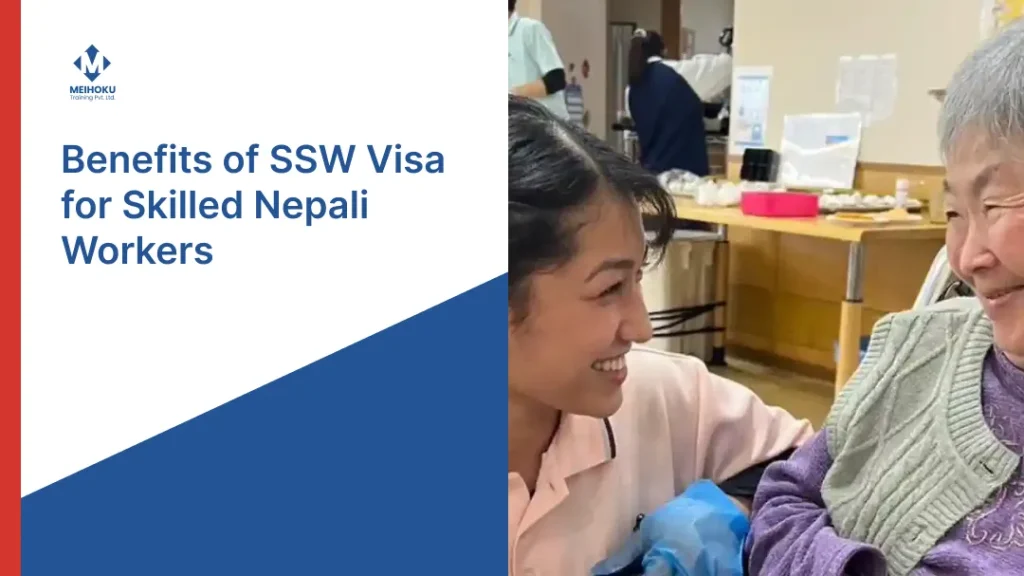
Japan has become one of the most attractive destinations for Nepali youth looking to build a stable and rewarding career abroad. With its aging population and growing labor shortage, the country has introduced the SSW visa Japan program to welcome skilled workers from overseas.
For many Nepali individuals, this is not just another working visa, it’s a structured and secure pathway to work in Japan, earn fairly, and gain international experience. Whether you are already skilled in a trade or planning to develop one, the SSW visa offers a strong opportunity to transform your future.
In this guide, we’ll explore what the SSW visa is, and the key benefits it offers for skilled Nepali workers.
What is the SSW Visa in Japan?
The Specified Skilled Worker (SSW) visa is a type of status of residence introduced by the Immigration Services Agency of Japan to allow a skilled foreign national to work in industries where there is a shortage of manpower.
The SSW visa program offers foreign nationals to legally work in Japan in specific industries such as construction, nursing care, agriculture, hospitality etc, that require skilled manpower.
To apply for SSW program, candidates must:
- Demonstrate basic Japanese language ability (via different Japanese language test like JLPT N4 or JFT Basic)
- Pass the relevant industry-specific skill exam
- Secure a job from an accepting organization in Japan
- Complete the visa application process from their home country

Top Benefits of SSW Visa for Skilled Nepali Workers
Here are the key benefits the SSW program offers to Nepali workers:
1. Earn Fairly: Equal Pay as Japanese Workers
One of the most attractive features of the skilled worker SSW program is its commitment to fairness in wages. Unlike some older foreign employment pathways, the SSW system ensures that workers receive salaries equal to Japanese employees doing the same job.
On average, SSW workers in Japan earn around ¥160,000 to ¥250,000 per month (approximately NPR 145,000 to NPR 230,000, depending on exchange rates and industry). In sectors like construction or manufacturing, salaries can be even higher with overtime and bonuses.
Instead of facing wage discrimination, individuals can earn a reliable income that allows them to support their families back in Nepal, save money, and improve their quality of life. Over time, this financial security becomes one of the strongest reasons why many choose the SSW japan route.

2. Social Security & Health Coverage
Working under the SSW visa Japan also means being part of Japan’s well-developed social security system. Employers are required to enroll workers in health insurance and pension programs, ensuring that their well-being is protected.
For Nepali workers, this is a major advantage. Medical expenses in a foreign country can be overwhelming, but with proper health coverage, workers can access quality healthcare without financial stress. This level of protection makes the working visa in Japan for Nepali much more secure compared to informal or unregulated employment options.
3. Legal Protection & Ethical Recruitment
Japan has strict labor laws, and the Services Agency of Japan ensures that all foreign workers are treated fairly. Under the SSW program, from recruitment stage to employment, there are clear guidelines to prevent exploitation.
Workers receive transparent contracts that clearly define salary, working hours, and job responsibilities. This reduces the risk of fraud or misleading promises, which is a common concern in foreign employment. Additionally, support organizations are available to help workers adjust to life in Japan, solve workplace issues, and ensure that their rights are protected.
4. High Demand Job Opportunities (16 Sectors)
The SSW visa japan covers 16 different industries, making it accessible to individuals with various skill sets. These sectors include construction and manufacturing, hospitality, and nursing care, among others.
This variety of opportunities allow applicants to choose a field that aligns with their experience and interests. For example, someone with experience in caregiving can enter the nursing care sector, while others with technical skills may find opportunities in manufacturing or construction.
As Japan is facing a serious labor shortage, the demand for workers in these sectors remains high, increasing the chances of employment and job stability for Nepali applicants.
5. Skill Development & Career Growth
Working in Japan is not just about earning money, it is also about personal and professional growth. The skilled worker system allows individuals to gain hands-on experience in a highly disciplined and technologically advanced environment.
Over time, workers improve their technical skills, learn new work methods, and enhance their Japanese language ability. These improvements open doors to better job positions, higher salaries, and even opportunities in other countries.
For many Nepali workers, this experience becomes a valuable asset that benefits them throughout their careers, even after returning to Nepal.
6. Pathway to Long-Term Stay and Family Reunion
Another key benefit of the SSW visa japan is the possibility of long-term stay. While SSW Type 1 allows workers to stay for a limited period, those who upgrade to SSW Type 2 can extend their stay indefinitely.
The SSW Type 2 program provides the opportunity to bring family members to Japan, which is a significant advantage for those looking to build a life abroad. Instead of being separated for years, workers can eventually reunite with their loved ones.
This long-term perspective makes the SSW visa more than just a temporary solution, it becomes a pathway to stability and future planning.
7. Opportunity for Education & Career Transition
The SSW visa is more than just a work permit, it’s a structured pathway for skill development and career growth. While working in Japan, Nepali workers can continue improving their Japanese language proficiency, prepare for industry-specific exams, and participate in training programs offered under the SSW framework.
This combination of hands-on experience and ongoing learning helps workers progress to higher-level roles, take on specialized positions, or even transition to new sectors within Japan’s high-demand industries.
For example, someone starting in an entry-level technical role can advance to a supervisory position or pursue further certification in their field.
8. Cultural Exposure & International Experience
Living in Japan offers a unique cultural experience that goes beyond work. Workers get to experience a new lifestyle, understand Japanese traditions, and adapt to a highly organized society.
This exposure builds independence, discipline, and a global perspective. For many Nepali workers, it is a life-changing experience that shapes their personality and outlook. Such international exposure is also highly valued in today’s global job market, making it an added advantage of the working visa in Japan for Nepali.
9. Re-entry and Future Opportunities
The SSW visa japan allows workers to travel back to Nepal and return to Japan without complications, as long as their visa remains valid. This flexibility is important for maintaining family connections and managing personal responsibilities.
Moreover, the experience gained under the SSW program creates future opportunities, whether in Japan or other countries. Employers value international work experience, making it easier for workers to explore new career paths in the future.
SSW Visa Preparation in Nepal at Meihoku Training
Preparing for the SSW visa requires proper guidance and structured learning. From passing skill exams to passing Japanese language tests, each step plays a crucial role in success.
At Meihoku Training in Nepal, we focus on complete SSW preparation in Nepal and complete support for candidates who want to work in Japan.
- Focused classes to help you pass JLPT (N5, N4 and N3) and communicate confidently after you arrive in Japan.
- Industry-specific skill exam preparation (construction, caregiving, hospitality, etc.)
- Focus on practical communication for real workplace situations in Japan.
- Guidance on Japanese work culture and expectations for foreign workers.
- Complete preparation system from learning phase to employment readiness.
With the right preparation in your home country, you can successfully arrive in Japan and start your journey as a skilled worker.
Conclusion
The SSW visa Japan offers a reliable and rewarding pathway for skilled Nepali workers who want to build a better future abroad. With fair wages, legal protection, career growth, and international exposure, it stands out as one of the best foreign employment opportunities today.
Before applying, many candidates also explore the difference between SSW and TITP to clearly understand why SSW is considered a more transparent and worker-friendly pathway.
If you are serious about upgrading your career and gaining global experience, the working visa in Japan for Nepali through the SSW program could be your ideal choice. With proper preparation and determination, you can take the first step toward a brighter and more secure future in Japan.
Frequently Asked Questions
1. What are the benefits of an SSW visa in Japan?
The major benefits of SSW visa in Japan are:
- Equal pay to Japanese workers in the same role
- Social insurance coverage (health, pension, unemployment)
- Legal labor protections and paid leave
- Support services like language training and housing help
- Career growth opportunities, including transition to SSW Type 2 for longer stay and family accompaniment
2. What is the basic salary for an SSW worker in Japan?
There is no fixed salary; wages match those of Japanese nationals in the same role. The basic monthly salary for an SSW worker in Japan typical ranges from:
- Construction & Manufacturing: ¥250,000–¥400,000+
- Food Service & Hospitality: ¥230,000–¥320,000+
- Agriculture & Food Processing: ¥160,000–¥300,000+
Additional benefits may include overtime pay, bonuses, and allowances.
3. What are the requirements for Nepali workers to get an SSW visa?
The requirements for Nepali workers to get an SSW visa are:
- Be at least 18 years old
- Pass a Japanese language test (JLPT N4 / JFT-Basic)
- Pass an industry-specific skills test
- Be healthy and ready to work in the designated field
- Have a job offer from a registered Japanese employer
- Obtain Nepal government clearance for overseas employment
4. How long can I stay in Japan on an SSW visa?
The stay limits depend on the SSW type:
- SSW Type 1: Up to 5 years, no family allowed
- SSW Type 2: Renewable indefinitely, family can join, pathway to long-term residence
Start Your Journey Today
Admission for the 2025 intake is now open. Seats are limited. Contact us to schedule a free counseling session.
MEIHOKU TRAINING PVT. LTD.

Call Us
+977 9802325688, 01-4031688

Email Us
meihokunepal@gmail.com

Our Location
Sukedhara-04, Akhanda Marg, Kathmandu, Nepal